How to Develop a Growth Mindset and Overcome Challenges
How to Develop a Growth Mindset and Overcome Challenges
In life, the way we approach challenges often determines
whether we grow or remain stagnant. A few years ago, I found myself trapped in
negative thought patterns, constantly criticizing myself for missed
opportunities and unaccomplished goals. It wasn’t until I learned about the
concept of a growth mindset that my perspective began to shift.
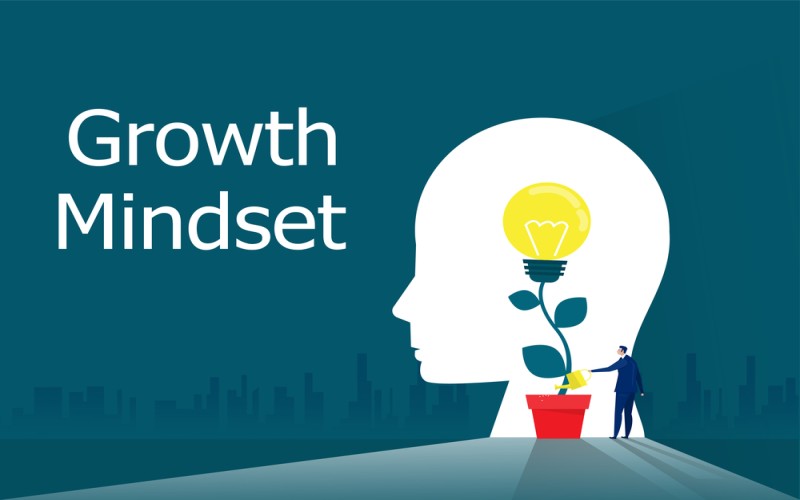
Understanding the Growth Mindset
Psychologist Carol Dweck introduced the concept of a growth
mindset. It is the belief that our abilities and intelligence are not fixed but
can be developed through effort, learning, and persistence (Dweck, 2006).
People with a growth mindset view challenges as opportunities to learn rather
than threats to their abilities. Research has shown that individuals with this
mindset are more likely to embrace lifelong learning, persist through
obstacles, and achieve better outcomes in both academics and life (Yeager &
Dweck, 2012; TTUHSC, 2023).
I recall a time when I struggled to complete an important
work project. As the deadline loomed, I doubted my abilities, thinking,
"I’m just not good enough." This fixed mindset—the belief that my
skills were unchangeable held me back. Recognizing this pattern was my first
step toward adopting a growth mindset.
Strategies for Developing a Growth Mindset
Over time, I’ve discovered several strategies that have
helped me cultivate a growth-oriented perspective:
1. Embracing Challenges
Instead of avoiding difficult tasks, I now see them as
opportunities to grow. Reframing challenges as learning experiences helps build
resilience and improve performance (Tavetose, 2024). For example, when faced
with a complex task at work, I remind myself that stepping out of my comfort
zone is essential for growth.
2. Learning from Criticism
Feedback used to feel like personal criticism. However, I’ve
learned to view it as valuable input for improvement. Studies indicate that
individuals with a growth mindset actively seek feedback and use it to refine
their skills (Keating & Heslin, 2015; NeuroLeadership Institute, 2023).
This shift has been empowering—feedback is no longer a judgment of my worth but
a tool for development.
3. Celebrating Small Wins
Acknowledging incremental progress has been crucial for
staying motivated. Research highlights the importance of celebrating small
victories as they reinforce positive behavior and build momentum toward larger
goals (Nowak, 2025). Recently, when I mastered a new skill at work, I took time
to appreciate the effort it took rather than rushing to the next challenge.
4. Cultivating Curiosity
Curiosity has become my driving force for learning. By
staying open to new ideas and experiences, I’ve kept my mind engaged and
adaptable (CMOE, 2022). Studies show that curiosity fosters continuous learning
and helps individuals embrace lifelong development.
Overcoming Challenges Together
Challenges are inevitable, but I’ve found that leaning on
others can make all the difference. Social support plays a significant role in
overcoming adversity by providing fresh perspectives and emotional
encouragement (Baker, 2024; FasterCapital, 2010). For instance, during a career
setback last year, conversations with friends helped me see solutions I hadn’t
considered.
Setbacks are no longer failures in my eyes; they are lessons
in disguise. Research confirms that individuals who reframe difficulties as
opportunities for improvement develop greater resilience and achieve better
outcomes over time (Yeager & Dweck, 2012; Frontiers in Public Health,
2024).
Moving Forward
Developing a growth mindset is an ongoing process that
requires patience and self-compassion. On days when old patterns resurface, I
remind myself that setbacks are part of the journey. As Dweck emphasizes, intelligence
and abilities grow through effort and perseverance (Dweck, 2006).
We all have the capacity to cultivate a growth mindset. By
embracing challenges, learning from feedback, celebrating progress, and
supporting one another, we can create lives defined by continuous growth and
resilience rather than limitations.
Conclusion
Fostering a growth mindset is not about perfection but about progress. Every challenge, failure, and bit of feedback is an opportunity to grow, to learn, to be better — and to be more durable. By changing how we perceive obstacles and adopting the belief that we can grow, we create the opportunity for more personal and professional fulfillment. Start small, remain curious and surround yourself with support. Growth is a muscle, not a gift, and it’s one we train.
References
Dweck (2006). Mindset: The New Psychology of Success.
Yeager & Dweck (2012). Resilience in Social Adversity.
TTUHSC Daily Dose (2023). Adopt a Growth Mindset for a
Better Life.
Tavetose (2024). Embracing Challenges as Opportunities for
Improvement.
Keating & Heslin (2015). Feedback Strategies for Growth
Mindset.
NeuroLeadership Institute (2023). How to Give Feedback with
a Growth Mindset Approach.
Nowak (2025). Small Wins: Big Impact.
CMOE (2022). Cultivating Curiosity for Personal Development.
Baker (2024). The Role of Supportive Networks.


Thank you for sharing your personal journey. The way you connected real-life experiences with growth mindset theory made the post feel very authentic. I especially liked the part about celebrating small wins it’s a reminder we all need in today’s fast-paced world. It might also be interesting to explore how workplace culture can support or block a growth mindset
ReplyDeleteYour blog offers a compelling personal narrative on adopting a growth mindset to overcome challenges and enhance career development. You effectively illustrate how embracing challenges, seeking feedback, celebrating small wins, and fostering curiosity can transform setbacks into opportunities for growth. Additionally, you highlight the importance of social support in navigating difficulties and maintaining resilience. Considering the evolving nature of work environments and the increasing reliance on digital tools, how can professionals cultivate and sustain a growth mindset in virtual settings where face-to-face interactions and immediate feedback are limited?
ReplyDeleteThis blog offers a compelling personal narrative intertwined with practical strategies for cultivating a growth mindset. The emphasis on embracing challenges, learning from feedback, celebrating small wins, and fostering curiosity aligns well with established psychological principles. However, while the article highlights individual efforts, it would be beneficial to explore how organizational support and leadership can further nurture a growth mindset within teams. Integrating these perspectives could provide a more holistic approach to personal and professional development.
ReplyDelete